

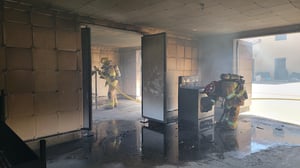
Building a fire training facility is a massive, years-long undertaking. For many department leaders, it’s a project that may only happen once.
NFPA 1400 has changed over the years, adding to the layers of complexity you’ll have to untangle. Departments planning a new facility today may encounter requirements that were not part of earlier projects.
So how can you tell if a proposed design aligns with current standards?
Before construction begins, it helps to know what to look for. These 10 training facility requirements can help departments identify potential concerns during the planning process before they become more difficult to address.
Why Are NFPA 1400 Requirements Often Overlooked?
Training facilities are often designed to serve departments for decades. As a result, many decision-makers only go through the planning and construction process once during their careers.
NFPA 1400 has continued to evolve during that time. Recent updates consolidated standards such as NFPA 1402 and NFPA 1403 into the broader NFPA 1400 framework. Requirements that may not have been discussed on older projects can now affect the design of a new facility.
Those details are easy to miss if you don’t review them early in the process. By the time construction is underway, changes may require additional time, budget, or redesign.
Understanding the current requirements is a good place to start.
10 Training Facility Requirements to Review Before Construction
Not every requirement receives the same level of attention during a project review.
The following 10 training facility requirements can help departments determine if a design aligns with NFPA 1400.
- Stair rise and tread dimensions
- Separate handrails and guardrails
- Roof and stairwell guardrails
- Roof loading and rappelling anchors
- Drainage accommodations for training water
- Non-combustible structural materials
- Removal of plastic, rubber, and sealed components
- Engineer-stamped structural plans and drawings
- Thermal lining extents
- Minimum of two burn room exits
1. Stair Rise and Tread Dimensions
NFPA 1400 requires a maximum stair rise of 7” and a minimum tread depth of 11”. These dimensions help create a safer and more consistent training environment throughout the structure.
Departments should confirm that proposed stair designs meet these requirements. Some designs use steeper stairs or narrower treads that fall outside the standard, which can create compliance concerns during the review process.
2. Separate Handrails and Guardrails
NFPA 1400 requires handrails and guardrails to be separate systems. Guardrails should be 42”high, while handrails should be installed 34-38” above the walking surface.
Some training facility designs attempt to use a single railing system for both purposes. Departments reviewing proposed plans should verify that each requirement is addressed independently and not combined into a single feature.
A single railing system may not satisfy the dimensional requirements for both functions. Reviewing those details early can help departments identify potential compliance issues before construction begins.
3. Roof and Stairwell Guardrails
NFPA 1400 also requires guardrails at roofs and stairwells unless they would interfere with the intended use of a specific feature or training prop.
That exception can create challenges during the design process. Some facility manufacturers eliminate guardrails in areas where they should still be present. Departments should review these locations carefully and understand why a guardrail is being omitted before approving a design.
4. Roof Loading and Rappelling Anchors
Roof operations place unique demands on a fire training facility. NFPA 1400 requires roofs to be designed for a minimum live load of 50 lbs. per square foot, and rappelling anchors must have an ultimate load strength of 10,000 lbs.
Departments should verify that both requirements are documented in the design. Structures made from modified shipping containers may require additional structural support to accommodate roof training.
5. Drainage Accommodations for Training Water
Water used during training needs a clear path out of the structure. NFPA 1400 expects drainage systems to move water away from training areas and toward a designated discharge point.
Departments should understand how the design handles:
- Water collection
- Water movement
- Water discharge
Simple floor openings may not satisfy those requirements on their own. A dedicated drainage system may be required.
6. Noncombustible Materials
NFPA 1400 addresses the use of noncombustible structural materials in live-fire training environments. This applies to new construction as well as repurposed structures.
Departments evaluating a proposed design should pay close attention to floor systems and other structural components near burn areas. Some repurposed structures may contain wood flooring or other elements that were never intended for live-fire training conditions. Materials that may be acceptable in their original application may not align with NFPA 1400 requirements once they're exposed to heat.
7. Removal of Plastic and Rubber Components
Plastic, rubber, and sealed components can present challenges in live-fire training environments. NFPA 1400 addresses how these materials are used within a training structure.
During the review process, departments should identify where these components are located and determine whether they are appropriate for the intended training conditions.
8. Engineer-Stamped Drawings
NFPA 1400 establishes that fire training structures must be engineered in accordance with local building codes.
During the review process, departments should confirm:
- A licensed engineer has stamped the drawings
- The design meets local building code requirements
- Structural modifications have been evaluated
9. Thermal Lining Requirements
NFPA 1400 specifies that structural elements must be protected from temperatures above 350°F. Repeated exposure to higher temperatures can affect structural materials over time.
That protection needs to extend beyond the burn room itself.
Departments should review where thermal lining begins and ends within the design. Areas exposed to escaping heat may also require protection, depending on their proximity to the burn area.
10. Minimum of 2 Burn Room Exits
Emergency exits are a fundamental consideration in burn room design. NFPA 1400 includes requirements for emergency egress from training fire areas.
Departments should review how occupants would exit the space during an emergency. In enclosed burn rooms, this may include two doors or a door and a window that leads to a tenable location. Designs with limited exit options may warrant a closer review before construction begins.
Review Training Facility Requirements Before You Build
A fire training facility is a long-term investment. Decisions you make during planning can affect the project for years after construction is complete.
NFPA 1400 provides requirements that can influence design decisions long before construction begins. Taking the time to review those requirements early can help departments avoid unexpected compliance and budget issues later in the project.
Training facility requirements are easier to address during planning than during construction. A thorough review can help departments move forward with greater confidence in the final design.
More Fire Training Facility Resources
Visit our Blog Library for additional insights on training facility design and operations.
